Tuesday, March 1, 2011

Pig Business!

About a year ago, I met a women by the name of Barbara Sha Cox. I had read an article featuring Barbara earlier in the week profiling her work as the founder of the advocacy group Indiana CAFO Watch (see here) Anyways the article discussed the environmental and societal problems evoked by CAFOs (concentrated animal feeding operation) in Indiana. Ever since meeting her, I have stayed in touch and tried to do my small part (writing legislatures, signing petitions, etc.) to keep CAFOs and CAFO waste out of my home state. CAFOs basically produce inferior quality meat, the animals are treated terribly, they put small family farms out of business, and the concentrated waste produced in CAFOs damage local ecosystems and makes locations virtually unlivable due to the pollution and smell.

The first I had heard of CAFOs was a 2007 Rolling Stone article entitled Boss Hog (here). I immediately stopped eating commercial pork. Since then other sources that I heave read or watched include Omnivores Dilema, Fast Food Nation, Food Inc, The Future of Food, and others. For anyone interested, Barbara just sent me the link to a new UK documentary Pig Business discussing how Smith Field Farms, the number one pork producer in the U.S. has moved over to Poland to break a foothold in the european market. The movie features Rick Dove, a speaker at the last Indiana CAFO Watch conference, and does a great job of showing the myriad reasons why CAFOs are not an optimal means to produce meat. The official Pig Business website cane be here.

Check out the documentary...


Sunday, February 27, 2011

Nutraceuticals: Vinegar

One of the first dietary "supplements"...vinegar.


The term "nutraceutical" was coined by combining "nutrition" and "pharmaceutical" in 1989 by Stephen DeFelice, MD. According to DeFelice, "A nutraceutical is any substance that is a food or a part of a food and provides medical or health benefits, including the prevention and treatment of disease." I plan to start a series on a small number of whole food dietary adjuncts that I think should be adopted nearly universally based on science and anecdote. Whether vegan or "meatitarian" they may be of some value and worth considering adding to the diet. I will start with vinegar.


First off there are whole books on vinegar and it's purported health benefits. I want to keep this post readable, so I'll mostly, not entirely, focus vinegars role in regulating glycemia and insulin. This is of particualr importance to those concerned with Type II Dieabetes management, weight loos, and possibly athletes (vinegar may be implicated in improving glycogen re-synthesis as well). I also try to focus mainly on the scientific research that supports these claims and delve into the possible mechanisms by which vinegar maybe working.


Vinegar has a pretty lengthy track record. Its been reported in the literature that  Hippocrates, the father of medicine used vinegar medicinally to manage wounds as far back as the 5th century BC. Sung Tse, one of the 10th century creators of forensic medicine, preached practice of hand washing with sulfur and vinegar to avoid infection during autopsies (1). According to the Folk Medicine History of Archives many common ailments including poison ivy, croup, and stomach-ache were treated with vinegar. Before the production of glycemic regulating pharmaceuticals (e.g. metformin), vinegar tinctures were commonly consumed by diabetics to help manage their condition (2).


A lot of the more recent research involving vinegar has investigated its effects on postprandial glycemic regulations. In simpler terms, it has looked at the glucose response to a meal with or without vinegar added to the meal, either with the meal, or some extended time before hand; say 5 hours.  In comparison to fasting blood glucose and hemoglobin A1c, postprandial glycemia (PPG) is considered the earliest dysglycemic marker for cardiovascular disease (CVD) and the onset of Diabetes. It has been reported that PPG is linearly related to CVD risk across nondiabetic and diabetic ranges (3). The adverse effects of elevated PPG, even when fasting blood glucose or hemoglobin A1c concentrations are normal, lies in that even acute elevations in blood glucose are implicated  in the formation of free radicals and inflammatory mediators (4).


Several studies have found a relationship of varying degree implicating that vinegar has the ability to 
lower the glycaemic response to a large carbohydrate load (3,5,6,7). However the mechanisms behind the action of vinegar remain unknown for the most part. Earlier investigators in the field speculated that improved glycaemic and insulin responses to a white bread reference meal was probably due to delayed gastric emptying evoked by the vinegar somehow (6). In 2005, Ostman and colleagues also witnessed that the addition of vinegar to a meal based on white bread reduced postprandial responses of blood glucose and insulin, and increased the subjective rating of satiety. Here too, the investigators speculated that the mechanism was impaired gastric emptying or due to  or to the inhibition of digestive enzymes. In cultured Caco-2 cells, the addition of acetic acid, but not other organic acids such as citric or lactic acids, inhibited sucrase, maltase, trehalase and lactase activity (3). However the inhibition of these enzymes in vitro (see here) does not neccessarily mean that the same will occur in humans.


More recent recent research has revealed that vinegar may act through other potential mechanisms, which is what I suspect personally. A 2009 study by Arline Salbe, Carol Johnston (the rock star of vinegar research lol), and colleagues seems to have ruled out the possibility of delayed gastric emptying (8). The researchers suppressed insulin secretion using an oral octreotide/insulin suppression test (OOST) designed to quantify the rate of glucose absorption without the confounding effects of variable glucose clearance due to rising endogenous insulin secretion. The OOST  suppressed endogenous insulin secretion for the first 100 minutes of data collection following the assigned meal. During this time, the  rise of glucose was modestly but significantly (P = .01) greater after vinegar ingestion compared to placebo, suggesting that vinegar does not act to decrease glycemia by interference with enteral carbohydrate absorption.


With gastric emptying ruled out, I would say the best bet is probably that inegar improves insulin sensitivity. A 2004 study also done by Johnston seems to support this. Johnston and fellow researchers found that vinegar improved insulin sensitivity to a high carbohydrate meal in subjects (9). The study included nondiabetic subjects who were either insulin sensitive (controls) or insulin resistant and subjects with type 2 diabetes. Here the subjects recieved a diluted vinegar solution (20 g apple cider vinegar, 40 g water, and 1 tsp saccharine) or placebo drink and, after a 2-min delay the test meal, which was composed of a white bagel, butter, and orange juice for a total of 87 carbohydrates. Blood samples were collected at fasting and 30 and 60 min postmeal for glucose and insulin analyses.


Compared with the placebo drink, vinegar ingestion raised whole-body insulin sensitivity during the 60-min post meal interval in insulin-resistant subjects (34%, P = 0.01, paired t test) and in subjects with type 2 diabetes (19%, P = 0.07). Postprandial fluxes in insulin were significantly reduced by vinegar in healthy subjects as well (% not reported).  I think it is interesting to note that the normal subjects postprandial glucose was not significantly altered but that it took less insulin to regulate the response. So far this is the most solid evidence I have found to support the use of vinegar in improving insulin sensitivity. However there is animal research as well.


A 2001 rat study found that acetic acid feeding enhanced muscle glycogen repletion in rats(10). Any exercise physiology text will read that insulin is antagonistic to glucagon in that it inhibits the breakdown of glycogen and aids in the repletion process. Furthermore two more recent rat studies  have replicated these findings (11 & 12). In fact the most recent of these studies found that the rats fed the acetic acid  had a significantly  lower ratio of insulin to glucagon than the control group at the same point of analyses. Despite this, the acetic acid group had significantly greater liver and gastrocnemius muscle glycogen concentrations. Now granted, I am making some extrapolations here by assuming what worked in rat works for humans, but coupled with the limited direct evidence available, it does appear to strengthen the potential of this mechanism as a possibility.


Lastly, I came across yet another investigation led by Johnston that did not look at insulin directly but found that vinegar ingestion decreased blood glucose response to the same test meal described earlier and improved satiety as well (13). Consumption of vinegar with the high carb test meal was associated with a a reduction of roughly 200-275 Calories throughout the day, sugeesting an improvement in insulin control.


How might one incorporate vinegar?


In order to blind the subjects, researchers typically disguise the vinegar by adding saccahrine and food coloring. Personally I just drink a couple sips of the vinegar straight up followed by water. However other people using vinegar anecdotally are using more palatable concotions such as mixing with honey to make oxymel or mixing it with stevia. In regards to kind and type of vinegar, in the U.S. apple cider vider vinegar is the most commonly used, however it seems coconut, white wine, balsamic, and so forth would work just as well because they all contain the acetic acid. The studies I read were using heinz and claim that the advocation of the "the mother" found in most of the organic, unpasteurized varieties is unsubstantiated. Personally I always buy a brand that includes the mother based on the assumption of it has a long track record, and at the very worst, it probably cant hurt. Depending on one's goals it seems appropriate to have some vinegar with regular meals and/or or peri-workout nutrition.


*Studies in the field have many peculiarities. For example in the investigations  by Johnston et al (3), 10 g of a vinegar in a diluted solution produced significant effects in lowering the glycaemic response to a large carbohydrate load, whereas 20 g did not. In the trial conducted by Ostman et al. (5) there was an observed inverse dose-response relationship between the level of acetic acid (1.0, 1.4 and 1.8 g) and the PPG response to a 50-gram carbohydrate load.


Tuesday, February 15, 2011

Front Squat versus Back Squat

In a recent post, I explained why and how alot of folks have lower back pain. Here I just want to quickly compare two common exercises, the back squat and the front squat. Personally, I reccomend the front squat for the general population, and progressing on to the split squat once proficiency is gained. Having worked with both athletes and the lay population I hve noticed that the vast majority of trainees end up creating a higher torque on the lower back structure whilst performing the back squat in comparison to performing the front squat. Allow me to ellaborate on this a little more.

So for those who have not taken physics or are just a bit rusty, torque is essentially force x moment arm. The moment arm is the distance away from the point of rotation and always happens to be perpendicular to the vertical line of force.

T = F x MA
Torque = Force x Moment arm

Now in the situation I am elaborating on, the point of rotation is at the hips. The muscles of the lower back as well as the hip extensor (ie the gluteus maximus, hamstrings) fight to keep the back in a more upright position but generally do not do as great of a job when the individual is in the back squat. Therefore the trainee has more of a forward lean pushing the moment arm further from our respective point of rotation (at the hips) and creating more toque on the lower back. Below are illustrations that may do a better job of allowing one to see what is occuring.


Fig. 2-31 from Starting Strength by Mark Rippletoe. Calculations in red done by "spiderman" -forum member at startingstrength.com


The calculations above were actually done comparing the low back squat (far right) to the high bar back squat (middle) There is controversy as to which method spare the lower back best. However there is not controversy as to whether the front squat reduces the moment arm. Lets use the hypothetical calculations above for example. The cartton is squatting roughly 225 lbs (100 kg) in the front squat this results in 13.7 Nm of torque on the lower back where as in the best case scenario for backsquat the torque is 15.9 Nm. Therefore the frontsquat reduces torque in this scenario by about 13%. You can also see less forward lean in the front squat when comparing the 2 photos I have posted.

 
Notice how I have adopted a more upright posture here which would "spare" the lower back, particularly during heavier loading


Before pressing forward, I will say that this cartoon does not do everyday life scenarios 100% justice. For instance while the front squat does spare the lower back quite a bit, the more upright posture may cause a more anterior tracking of the knees placing more stress on the patella. With that said, the front squat is great for individuals seeking to spare the lower back while squatting. Most individuals I have worked with have been able to pick up on them fairly easily and as long as the trainee is not a strength athlete, it is also a positive that inferior leverage gained in the front squat forces one to use less weight even further reducing load on the spine.


In the back squat there is more forward lean. Even more would occur in a situation where I used a challenging load.

Alright well I will stop boring everyone on the intricacies of back squat vs. front squat. Last words; The front squat is best for the average Joe or Jane who is not concerned with necessarily using huge weight. The lift is still great for athletes as well, but the back squat is generally used in these populations to facilitate a base of strength.  However if knee pain is experienced then front squat may be the lesser of the 2 choices. Other great lowerbody lifts include the deadlift and split squat. For those who find the barbell too challenging at first start with dumbells or kettlebells (see here). Have a safe and productive workout !


Monday, January 31, 2011

Paired Set Workouts to Enhance Your Exercise Efficiency.


       One of the main reasons people give for their discretion of not working out is lack of time. Moreover, there are many people already exercising who wish they could get more out of their time in the gym, or perhaps get in and out of the gym a little quicker. Well for these crowds, the answer may be paired set training or complexes. Traditional sets are defined as performing a given amount of repetitions followed by a given rest period and repeating. Paired sets involve performing one set of an exercise followed immediately by another. 
Following the following methods will help you get in and out of the gym much quicker


There are several ways to go about doing this, so let me fill you in on the technical jargon:

Super set: This is when you perform a set of an exercise (exercise A) and follow it up with performing an exercise (exercise B) that taxes the antagonist muscle group to exercise A. An example would be performing a set of pull ups immediately followed up by a set of dumbbell shoulder presses.

Compound set: This type of paired set is more often practiced by the bodybuilding crowd. Compound sets involve performing two or more consecutive exercises with no rest in between them as well. However this time around, all of the exercises are targeting the same musculature. Most often a compound movement (one involving multiple joints) will be followed by an accessory movement (one that only involves one joint) For example a trainee may perform a set of the bench press followed up immediately by a set of chest  flyes. After the rest period that has been established for this workout (let’s say 1 min.), this set will be repeated, most likely for a total of 3-4 sets when it’s all said and done. Personally I am against frequent use of compound sets.  Let me further elaborate on this.

Compound sets are very similar to another technique often used by bodybuilders, known as pre fatiguing. Pre-fatiguing involves performing a few sets of an accessory movement (lets use the chest fly again) followed by a compound movement (lets use the bench press again). The theory behind this practice is that the accessory exercise will tire the main muscles being targeted (in this case the pectoralis major) before the compound movement resulting in the muscles being taxed to greater extent during the compound movement (1). The problem is that this could not be further from the truth. What the science actually shows is that pre-fatiguing does indeed elicit fatigue in the targeted musculature, rendering them less active during the more stressful compound movements (2,3). Therefore this strategy alters the muscular recruitment pattern during the main movement placing more stress on complementary muscles and leaving the trainee more vulnerable to injury. Therefore it is my feeling that performing the additional accessory movement following each set of the compound movement renders the trainee at greater risk for injury due to poor recruitment and deleterious mechanics (2,3).

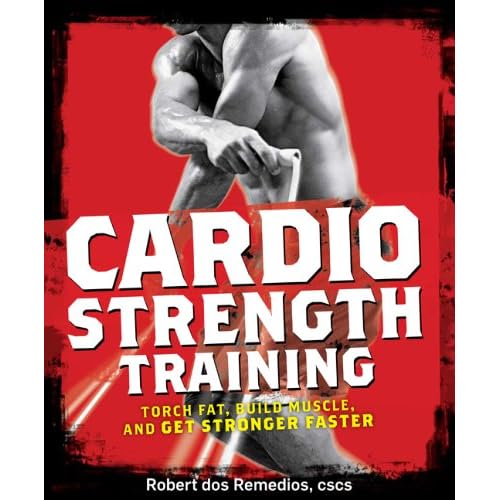
Complexes: Complexes involve grouping several compound exercises together in consecutive order and then taking short rests between performing this routine again. To do this form of training justice, I will write another separate post on the topic. Another great source on complexes is Cardio Strength Training by coach Robert Dos Remedios (4)


Now on to the research findings on paired set training. This type of training has been utilized by a lot of fitness enthusiasts for years, but Daniel Robbins and colleagues the University of Ballat in Australia kept busy this past year putting out research that shows that paired set training is effective at increasing the efficiency of workouts. In one of the trials(5), Robbins collected EMG data (a test measuring muscle activity) for the primary muscles during bench pulls and bench press (pectoralis major, anterior deltoid, latissimus dorsi, and trapezius) The subjects performed the exercises using the traditional method in session and using paired sets in another session. The findings revealed that despite performing the same amount of work, the paired set session took roughly half as long, the trainees were able to maintain the same volume load  (use just as much weight) throughout the session, and that there were no significant differences in EMG data, inferring that neuromuscular fatigue was no greater in the paired set group. Other trials by the same research team found similar findings in that the paired set sessions drastically reduced time while allowing the trainee to maintain similar power, intensity, and total volume load when using paired sets.(6,7) These findings are especially meaningful to populations that must emphasize power movements and high intensity lifting in limited time frames, such as athletes.
Troy Polamalu emphasizing complexes in his training. Its only gotten him to 3 super bowls and counting.

As for energy expenditure, studies have found that paired sets elicit greater energy expenditure during the workout session, which makes sense considering the trainee is performing more mechanical work by performing 2 exercises rather than 1 in the same time frame (8). Kelleher et al put a group of young men through a full 6 exercise, 4 sets each workout and found paired set training elicited an energy expenditure of 8.3 Calories per minute compared to only 6.3 Calories per minute for traditional sets. Now as you may note these Caloric expenditures are not that high but the great thing about weight training is (EPOC) excessive post oxygen consumption. EPOC refers to the body continuing to use above-resting oxygen while recovery begins to occur. As a generality, the more oxygen we are utilizing, the greater our caloric expenditure. The EPOC for the paired sets were significantly higher (18.9 Calories vs. 13.5) one hour after completion of the workout session. Another marker of raised metabolism, blood lactate was also significantly higher as well

Anecdotal observations and the scientific data reveal that paired set training is an effective way to get more volume in a workout session of equal time or get in a workout of the same volume in less time, while maintaining crucial aspects that elicit adaptations to occur, such as power and intensity. With that said it appears paired set training is the way to go for those of us in a crunch for time or who want to increase the Caloric requirement of our resistance training sessions. To further put all this into context, I will concede there will inevitably be days where the energy levels and motivation just won’t be there to effectively perform paired sets for the entire duration of a session. This style of training is very demanding! For days like these, I will discuss alternative strategies that can be used to enhance the workout without rendering it too demanding in another post.


Happy exercising,
AR
1) Baeche & Earle (Eds) 2008 The Essentials of Strength Training and Conditioning. Human Kinetics Champaign, IL
2) Augustsson J, Thomeé R, Hörnstedt P, et al. 2003 Effect of pre-exhaustion exercise on lower-extremity muscle activation during a leg press exercise. J Strength Cond Res.17(2):411-6.
3) Brennecke A, Guimarães TM, Leone R, et al. 2009 Neuromuscular activity during bench press exercise performed with and without the preexhaustion method. J Strength Cond Res. 23(7):1933-40.

4) Dos Remedios, R. 2009 Cardio Strength Training. Rodale Publishing New York, NY

5) Robbins DW, Young WB, Behm DG, et al. 2010 Physical performance and electromyographic responses to an acute bout of paired set strength training versus traditional strength training. J Strength Cond Res. 24(5):1237-45.
6) Robbins DW, Young WB, Behm DG, Payne WR. 2010 The effect of a complex agonist and antagonist resistance training protocol on volume load, power output, electromyographic responses, and efficiency. J Strength Cond Res. 24(7):1782-9.
7) Robbins DW, Young WB, Behm DG, Payne WR. 2010 Agonist-antagonist paired set resistance training: a brief review. J Strength Cond Res. 24(10):2873-82.
8) Kelleher AR, Hackney KJ, Fairchild TJ et al. 2010 The metabolic costs of reciprocal supersets vs. traditional resistance exercise in young recreationally active adults. J Strength Cond Res. 24(4):1043-51.

Saturday, January 22, 2011

More Evidence Against Omega 6 oils

One the principal dietary offenders in the Standard American Diet (SAD) is the overconsumption of omega-6 fatty acids.  These are polyunsaturated fats (PUFA) found mostly in processed vegetable oils like corn oil and soybean oil. I have to give credit to physiologist Ray Peat for introducing me to the perils of omega 6 fatty acids and the overconsumption of polyunsaturated fats (PUFA) in general. Stephan Guyenet at the Whole Health Source blog also does an excellent job of revealing how the overconsumption of PUFA is most likely one of the key causes of overweight/obesity and the epidemic of disease in the US today too.

The problem is that the mainstream dogma persists that PUFA are somehow protective and saturated fats (SFA) are to blame for the metabolic conundrums that haunt western society. For example the American Heart Association continues to trumpet omega-6 fatty acids as heart protective (here). As an aside, one can really appreciate the integrity of the AHA's reccomendations when the Fats & Oils page has a huge sponsor ad from canolainfo.org, but I'll digress on that issue.

These reccomendations are generally alligned with the lipid hypothesis and the continuing incidence of researchers finding PUFA consumption decrease LDL, or what the mainstream will have us believe is the bad cholesterol (1). To take a step back, LDL is actually a lipoprotein which carries cholesterol, not cholesterol. This is an oversimplification made to increase the average citizens ability to understand cholesterol. An interesting note made by Gary Taubes in Good Calories Bad Calories is that LDL has been observed to be weak predictor or non predictor of coronary heart disease (CHD) in relevant populations. For example in one of the largest ongoing observational studies in the US, the Framingham study, LDL was not strongly associated with CHD (2).

 " In men, mean LDL-C was lower in CHD than in controls (3.22 vs 3.51 mmol/L, P < 0.0001), whereas mean sdLDL-C concentrations were similar (0.83 vs 0.84 mmol/L, P = 0.609). In women, mean LDL-C was similar in CHD and controls (3.53 vs 3.46 mmol/L, P = 0.543), but mean sdLDL-C was higher (0.83 vs 0.68 mmol/L, P = 0.0015). "


Fortunately as the Framingham findings reveal, more and more literature continues to be published that supports that omega-6 are most likely not beneficial, are indeed problematic, and by no means an adjunt to good health and longevity.

A very recent systematic review published in the British Journal of Nutrition (3) by Christopher E. Ramsden and colleagues analyzed the relevant literature on omega-6 interventions, in which case previous researchers replaced SFA and transfatty acids (TFA) with omega-6, omega-3, or a combination of these two principle PUFAs (there are also omega 9's) and furthermore, measured outcomes. The researcher's findings revealed that the analyzed randomized controlled trials (RCTs) which substituted SFA and TFA with omega-6 without simultaneously increasing omega-3 produced in an increase in risk of death that approached statistical significance. Risk of non-fatal heart attack and CHD death was significantly higher in omega-6  PUFA diets compared to the mixed PUFA diets (P = 0·02).

One of the more famous trials in fatty acid mainupulation, the Finnish Mental Hospital study was excluded because subjects were assigned by hospital and not randomised as individual patients. Therefore the effect of the this intervention was measured on whoever happened to be in the hospitals during those periods.

Another popular trial, the Diet and Reinfardtion Trial (DART) was excluded from the analyses because data on the specific composition of omega-6 and omega-3 fatty acids was not made available by the DART researchers. All in all, I would say that the findings of the meta analysis support previous findings indicating that omega-6 may have deleterious effects, potentially by competing with the possible beneficial effects with omega-3 interventions (4). Although to be entirely honest, Chris Masterjohn has done a good deal of research revealing that omega-3 may not be as important to the diet as commonly portrayed (see here). However if you do want to incorporate good sources of omega-3 fatty, these would include grass fed animal products and wild caught fish.

Interestingly while looking through pubmed, I found a study published just earlier this month making the observation that the rs174537T  genotype (its all good if you dont know what genotypes are, keep reading) is associated with lowered arichidonic acid, a deriviative (by product) of linoleic acid, the most commonly found dietary omega-6 fatty acid in serum phospholipids and a reduced risk of CHD (5). This was found after adjustment for age, BMI, cigarette smoking, alcohol consumption, hypertension, diabetes mellitus, and hyperlipidemia (P=0.017). While I wouldn't call this one study alone definitive evidence that omega-6 is detrimental, it appears to be another tac in the coffin.

My own personal opinion is that this all makes perfect sense. Omega-6 fatty acids are typically found in seeds and grains. These foods are typically low in fat. Massive amounts of such foods would have to be consumed to meet the equivalent conumption seen in America today due to the concentraion of such fats in industrial oils such as corn oil and cotton seed oil. To be more clear, a one pound bag of frozen corn contains roughly 5 grams of fat while just one tablespoon of  corn oil contains 14 grams of fat (nutritiondata.com)  These industrial oils are also a very recent inclusion into the human diet. I have provided a graph below from USDA statistics on vegetable oil consumption.


Fig. 1 US fat intake

For those hard of sight, overall fat consumption is the black line which has risen over the year, but not as a proportion of Calories. The principle source of fat you will note is salad and cooking oils, not animal fats. The increase in such fats is not seen until the 1950's. The addition of such seems to associate pretty clearly with the obesity/overweight rise seen in the US. I think it's important to note that this has coincided with other confounders that may be triggering the state of unhealth witnessed in America. However notice the increase in overweight/obesity that aligns quite closely with the increase in industrial oils.


Fig. 2 Obesity/overweight data from the CDC, 2006


Obviously one can't infer direct causation here, but there is does appear to be a relation of some sort and as noted earlier, Stephen Guyent has wrote about this at the Whole Health Source blog as well, indicating a relationship between decreased thyroid activity and consumption of industrial oils. As noted, these oils are a recent additon to the diet and are found in mostly processed food, meaning  supraphysiologic (beyond normal) consumptiom is taking place. As Dobhanszky famously stated, "Nothing in biology makes sense except in light of evolution". This seems to apply here. We need to cutdown on the omega-6. Good alternatives include animal products from grass fed free range animals, coconut oil, olive oil, and nuts and seeds (not the ones roasted in vegetable oil), if you tolerate them.

Lastly, one might be curious as to why these dangerous oils are in processed foods and why the media says they are so good. Look no further than U.S. farm subsidies. Alot of the excess corn, cotton, and soybean is made into oil, cheap oil. It has to go some where.
Here is why they tell us to ingest these oils. Nice right?